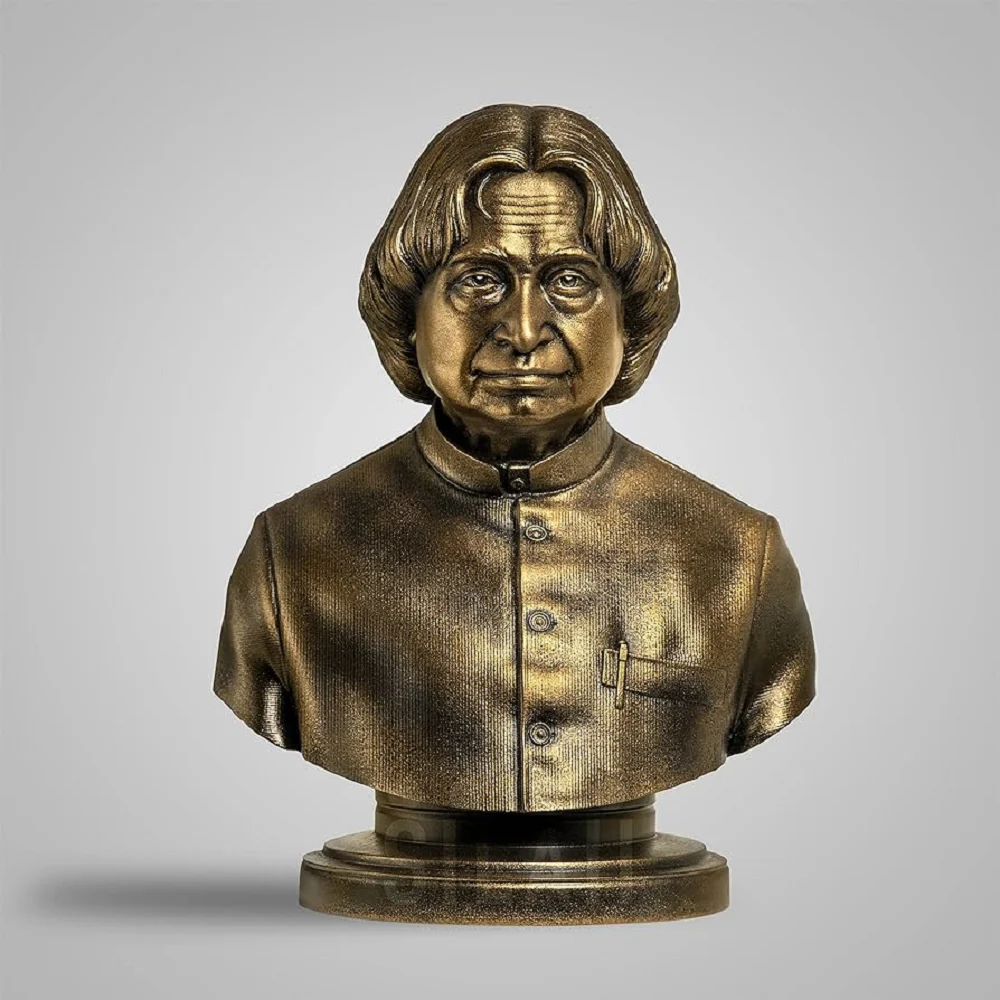
The history of historical statue date back to the ancient world. The earliest known statues were often made from materials that were readily available to early civilizations, such as stone, clay, and bone. In Ancient Egypt, for example, statues of gods, pharaohs, and other important figures were common. These sculptures were often larger-than-life in size, meant to demonstrate the power, divinity, or eternal nature of the subjects they represented. The Egyptians believed that statues could serve as a vessel for the spirit of the deceased, which is why so many tombs contained statues of the departed or their gods.
Table of Contents
ToggleIn Ancient Greece, the development of statues reached new artistic heights. The Greeks are renowned for their expertise in creating life-like sculptures, particularly in marble and bronze. One of the most famous Greek statues is the “Venus de Milo,” a work that epitomizes the classical style of beauty and balance. These statues, often of gods, heroes, and athletes, were placed in temples, public spaces, and private homes as representations of ideal beauty, strength, and virtue.
As time went on, the role of statues shifted. During the Roman Empire, for example, statues became increasingly focused on individual portraits and commemorations of historical events. Roman statues were typically realistic, capturing specific features of emperors, generals, or political figures. Roman rulers, such as Augustus and Nero, often commissioned statues to affirm their rule, display their power, or commemorate military victories. This shift from idealized forms to more individualized representations marked a transition in the cultural understanding of statues.
Materials and Techniques for historical Statue
The materials used in the creation of statues have evolved considerably over the centuries. In ancient times, stone was one of the most common mediums for statuary. Marble was especially prized for its ability to be polished to a high sheen, making it ideal for depicting human figures with a lifelike appearance. The Greeks, for instance, employed marble for their gods and heroes, while the Romans favored it for both portraiture and monument construction.
Bronze statue
Bronze, another frequently used material, was often cast into molds to create statues with intricate details. The advantage of bronze was its strength and durability, making it suitable for both large and small-scale works. The lost-wax casting technique, developed in ancient times, allowed for intricate designs that could not be achieved through traditional stone-carving methods.
In more modern times, materials such as steel, aluminum, and various synthetic substances have become popular in the construction of statues. These materials allow for new artistic possibilities, such as dynamic, larger-than-life figures or abstract sculptures that would be impossible to achieve with traditional stone or metalworking techniques.
The technique used in the creation of statues has also advanced. From the traditional chisel and hammer method of the ancient world to the more sophisticated tools of the Renaissance and modern-day machinery, the process of creating statues has become both an art and a science. In the past, artists would start with a block of material and carve away at it to create the form they desired. This process required immense skill, patience, and a deep understanding of proportion, anatomy, and balance
(click hear).
Artistic and Cultural Functions for historical statue
Statues serve a wide variety of purposes in both art and culture. One of the most common functions of statues throughout history has been as a form of commemoration. Statues can memorialize important individuals or events, allowing society to remember and honor the past. In modern times, statues often commemorate leaders, revolutionaries, or key historical moments. For example, statues of Abraham Lincoln and Martin Luther King Jr. stand as symbols of freedom and civil rights in the United States.
Religious statues are another widespread category, particularly in cultures where deities are represented in tangible forms. In Hinduism, for example, statues of gods and goddesses are central to worship and are often placed in temples or homes for daily rituals. Christianity also has a long history of religious statuary, with statues of saints, angels, and Jesus Christ featured in churches around the world. These statues help believers connect with the divine, and they often serve as focal points for prayer and meditation.
Sculpture Art
In addition to commemorative and religious functions, statues can also serve purely artistic purposes. Public sculptures, especially those created by renowned artists, can turn public spaces into open-air galleries, transforming city streets, parks, and plazas into living works of art. For instance, the works of Auguste Rodin, such as “The Thinker,” or Alexander Calder’s monumental abstract sculptures, are landmarks that not only contribute to urban aesthetics but also provoke thought and reflection.
Statues also serve political and ideological purposes, often becoming symbols of authority or resistance. Political figures, military leaders, and national heroes are often commemorated through statues placed in public spaces to celebrate their contributions or to enforce an ideological narrative. On the other hand, statues of controversial figures can provoke public debate, as seen with the global discussions surrounding the removal of statues of colonial leaders or figures associated with oppression.
The Role of historical Statue in Modern Society
In modern society, statues continue to play a significant role in reflecting the values, struggles, and aspirations of societies. However, the role of statues has become increasingly contested in recent years. As social movements such as Black Lives Matter and campaigns for Indigenous rights have gained traction, the statues of historical figures tied to slavery, colonialism, and oppression have been called into question. Some statues have been taken down, while others are the subject of intense debate about whether they should remain in public spaces or be moved to museums for historical context.(click hear)
In addition, the development of public art installations and contemporary sculptures has blurred the lines between statues and abstract art. Sculptures like those created by Jeff Koons or Banksy challenge the traditional idea of a historical statue as a realistic representation, instead offering new ways to think about form, materials, and meaning.
Conclusion
In conclusion, statues have served humanity in various roles throughout history—from religious idols to political statements, from artistic expressions to cultural symbols. They have the power to immortalize, inspire, and provoke, and as such, they continue to shape our understanding of history, culture, and identity. Whether towering in a public square, adorning a temple, or simply evoking a memory, statues remain one of the most enduring forms of artistic and cultural expression. Their continued relevance in modern times proves that despite the passage of centuries, the human desire to capture, remember, and express remains as strong as ever.